



4 months ago
Cosmetic Face Surgery | Jaw Surgery Cost in Chennai India
Mugham cosmetic face surgery hospital provides jaw surgery & treatment at the best cost in Chennai, India. Book an appointment Now.
The Post-Operative Investment: Factoring Recovery Costs into Jaw Surgery
Introduction
When budgeting for jaw correction surgery cost in Chennai, it is easy to focus entirely on the primary hospital invoice. However, the weeks immediately following your operation require a specialized recovery setup that carries its own direct costs.
https://www.mugham.in/jaw-...
Because your jaws will be healing from structural modifications, your body requires specific nutritional adjustments, medical supplies, and physical therapy support to ensure optimal bone healing and a smooth return to daily life.
Budgeting for Specialized Liquid and Pureed Nutrition
For the first 2 to 4 weeks after surgery, your jaws will be stabilized with surgical elastics, preventing you from chewing solid food. Maintaining a high-calorie, high-protein diet is essential to prevent muscle loss and support bone healing.
Commercial Nutritional Shakes: High-calorie, medical-grade meal replacements (such as Ensure, Glucerna, or specialized protein powders) become your primary source of nutrition, costing roughly ₹4,000 to ₹8,000 per month.
Specialized Delivery Tools: Standard cups and straws are difficult to use immediately after surgery due to temporary lip numbness. You will need to budget for specialized items like wide-bore syringe feeders, condiment squeeze bottles, or dynamic blender systems to prepare ultra-smooth purees at home.
Post-Surgical Prescriptions and Medical Supplies
After checking out of the hospital, you will manage your healing at home with a structured regimen of medications and hygiene supplies:
Prescription Medications: A standard combination of long-acting pain relievers, specialized oral antibiotics, and anti-swelling medications typically costs between ₹3,000 and ₹6,000 for the initial recovery month.
Advanced Oral Hygiene Hygiene: Because standard brushing is restricted around fresh surgical incisions, you will rely on prescription chlorhexidine antiseptic mouthwashes, ultra-soft surgical toothbrushes, and gentle warm-saline rinses to keep your mouth clean and prevent infection.
Jaw Physical Therapy and Follow-Up Diagnostics
As your bones begin to stabilize around week 4, your jaw joints (TMJs) will feel stiff from reduced movement.
Maxillofacial Physical Therapy: Specialized physical therapy sessions are often recommended to safely guide you through jaw-opening exercises, helping you restore a normal range of motion. This typically costs ₹1,500 to ₹3,000 per session.
Follow-Up Progress Scans: You will need to return to the clinic for progress X-rays or basic OPG scans at the 1-month, 3-month, and 6-month milestones, allowing your surgeon to verify complete bone healing and ensure your new profile is structurally stable. Knowing these smaller expenses ahead of time ensures a well-planned, stress-free path to your new smile.
https://www.mugham.in/jaw-...
Introduction
When budgeting for jaw correction surgery cost in Chennai, it is easy to focus entirely on the primary hospital invoice. However, the weeks immediately following your operation require a specialized recovery setup that carries its own direct costs.
https://www.mugham.in/jaw-...
Because your jaws will be healing from structural modifications, your body requires specific nutritional adjustments, medical supplies, and physical therapy support to ensure optimal bone healing and a smooth return to daily life.
Budgeting for Specialized Liquid and Pureed Nutrition
For the first 2 to 4 weeks after surgery, your jaws will be stabilized with surgical elastics, preventing you from chewing solid food. Maintaining a high-calorie, high-protein diet is essential to prevent muscle loss and support bone healing.
Commercial Nutritional Shakes: High-calorie, medical-grade meal replacements (such as Ensure, Glucerna, or specialized protein powders) become your primary source of nutrition, costing roughly ₹4,000 to ₹8,000 per month.
Specialized Delivery Tools: Standard cups and straws are difficult to use immediately after surgery due to temporary lip numbness. You will need to budget for specialized items like wide-bore syringe feeders, condiment squeeze bottles, or dynamic blender systems to prepare ultra-smooth purees at home.
Post-Surgical Prescriptions and Medical Supplies
After checking out of the hospital, you will manage your healing at home with a structured regimen of medications and hygiene supplies:
Prescription Medications: A standard combination of long-acting pain relievers, specialized oral antibiotics, and anti-swelling medications typically costs between ₹3,000 and ₹6,000 for the initial recovery month.
Advanced Oral Hygiene Hygiene: Because standard brushing is restricted around fresh surgical incisions, you will rely on prescription chlorhexidine antiseptic mouthwashes, ultra-soft surgical toothbrushes, and gentle warm-saline rinses to keep your mouth clean and prevent infection.
Jaw Physical Therapy and Follow-Up Diagnostics
As your bones begin to stabilize around week 4, your jaw joints (TMJs) will feel stiff from reduced movement.
Maxillofacial Physical Therapy: Specialized physical therapy sessions are often recommended to safely guide you through jaw-opening exercises, helping you restore a normal range of motion. This typically costs ₹1,500 to ₹3,000 per session.
Follow-Up Progress Scans: You will need to return to the clinic for progress X-rays or basic OPG scans at the 1-month, 3-month, and 6-month milestones, allowing your surgeon to verify complete bone healing and ensure your new profile is structurally stable. Knowing these smaller expenses ahead of time ensures a well-planned, stress-free path to your new smile.
https://www.mugham.in/jaw-...
4 months ago
Dental Implants Cost | Implant Teeth Price in Malaysia
Dental implants are offered by TI Dental in Malaysia for the most affordable price. Get low cost painless teeth implants treatments in Selangor
The Comprehensive Guide to Dental Implants: Biology, Technology, and Clinical Realities
The field of restorative dentistry has undergone a radical transformation over the past several decades. For generations, individuals suffering from tooth loss were limited to superficial surface-level prosthetics like removable dentures or fixed dental bridges. While these traditional modalities offered basic cosmetic concealment, they frequently failed to stop long-term biological deterioration and presented significant functional limitations.
https://www.tidental.com.m...
Today, dental implants represent the undisputed gold standard for tooth replacement in modern clinical practice. By serving as biocompatible, structural anchors that integrate directly with the human facial skeleton, implants closely match the biological efficiency, tactile sensation, and functional bite force of natural dentition.
For patients managing single-tooth gaps due to trauma, multiple missing segments from progressive decay, or complete edentulism (total tooth loss), dental implants provide a reliable, predictable option for comprehensive oral rehabilitation. This comprehensive clinical article covers the structural engineering, biological mechanisms, diagnostic protocols, and contemporary workflows defining modern dental implantology.
Anatomy and Structural Engineering of an Implant System
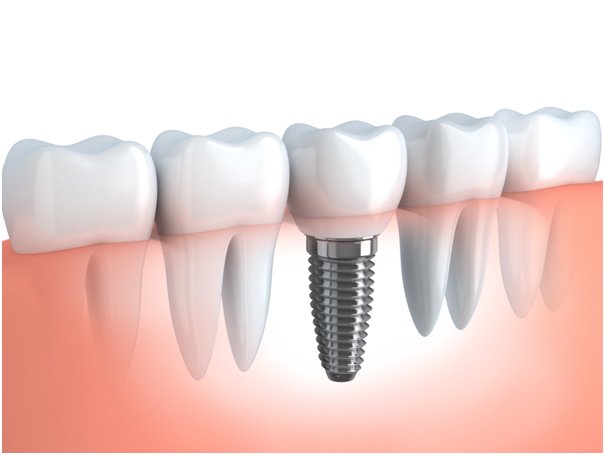
A dental implant is not a singular prosthetic component, but rather an assembly of micro-engineered parts that function as a unified structural system. The long-term success of an implant relies on the mechanical connections between three key elements:
The Implant Fixture (Post): This is the screw-like cylinder that is surgically inserted deep into the cortical and cancellous bone of the maxilla (upper jaw) or mandible (lower jaw). It acts as an artificial root. Modern fixtures are heavily engineered using bio-inert materials—most commonly grade 4 or grade 5 titanium alloys, or highly resilient zirconia ceramics. The surface texture is often modified via sandblasting, large-grit acid-etching, or hydrophilic coatings to maximize surface area and accelerate initial cellular attachment.
The Abutment: This is a precision-machined intermediate connector piece that attaches directly into the internal chamber of the implant fixture via an internal hex or conical connection. The abutment transitions the implant system from an intraosseous (inside the bone) anchor to a transmucosal (through the gum tissue) platform, serving as the solid core onto which the visible prosthesis is anchored.
The Prosthetic Restoration: The definitive aesthetic and functional component of the system. Depending on the patient's structural needs, this may consist of a single custom crown, a multi-unit fixed bridge, or a full-arch overdenture. These are typically fabricated from advanced ceramics, lithium disilicate, or monolithic zirconia blocks using computer-aided manufacturing to match natural teeth.
The Biology of Osseointegration
The scientific foundation of modern implantology relies on the biological phenomenon of osseointegration. Discovered by Swedish orthopedic surgeon Dr. Per-Ingvar Brånemark, osseointegration is defined as the direct, rigid structural and functional connection between living bone tissue and the surface of a load-bearing artificial implant, without any intervening soft tissue layers.
When a titanium or zirconia fixture is surgically advanced into a prepared osteotomy (bone site), it achieves immediate mechanical stability known as primary stability. This initial mechanical lock depends entirely on the physical threads of the screw compressing the surrounding bone.
Following placement, a complex cascade of cellular wound healing begins. Within hours, a blood clot forms around the microscopic ridges of the implant surface, releasing signaling proteins that recruit osteogenic (bone-forming) cells. Over the subsequent 3 to 6 months, these cells deposit new woven bone directly onto the implant's surface micro-topography, which gradually remodels into dense, structured lamellar bone. This biological bond provides secondary stability, locking the implant permanently within the jaw.
Clinical Advantages Over Conventional Prosthetics
When evaluating tooth replacement options, dental implants offer several major clinical benefits compared to traditional fixed partial dentures (bridges) and removable full dentures:
1. Attenuation of Alveolar Bone Resorption
When a natural tooth is extracted, the surrounding alveolar bone loses its primary functional purpose—withstanding mechanical chewing forces. Lacking this regular stimulation, the body begins a natural process of bone resorption, causing the jawbone to recede over time. This structural degradation can compromise adjacent teeth and cause noticeable changes to facial aesthetics, such as hollowing of the cheeks and a shortened lower facial height. Dental implants are the only restorative treatment that replaces the missing root, transferring chewing forces directly back into the bone to stimulate and preserve its volume.
2. Elimination of Adjacent Tooth Alteration
To install a traditional three-unit fixed dental bridge, a clinician must permanently alter the adjacent, often completely healthy teeth on either side of the gap. These teeth (abutments) are shaved down to serve as supportive anchors for the bridge, making them susceptible to future decay, pulpitis (nerve inflammation), and structural fractures. Dental implants are completely self-supporting units that preserve the structural integrity of the adjacent dentition.
3. Restoration of Masticatory Force
Traditional removable dentures rest directly on the delicate mucosal tissues of the gums, relying on surface tension or messy adhesives for retention. As a result, denture wearers experience a substantial drop in masticatory (chewing) efficiency, often reclaiming less than 20% of their natural bite force. Dental implants, being anchored firmly into the jawbone, restore up to 95% of natural chewing capacity, allowing patients to maintain a varied and nutritious diet without restriction.
Taxonomy of Implant Variations and Designs
Implant modalities are tailored to accommodate variations in jaw anatomy, bone density, and the volume of missing teeth. Dentists classify implants based on their surgical placement approach:
Endosteal Implants
The most widely used design in contemporary clinical practice. Endosteal implants are placed directly into the alveolar bone. They are highly effective for patients who possess adequate bone height, width, and density to completely surround the fixture.
Subperiosteal Implants
These are used primarily when a patient exhibits severe alveolar ridge atrophy and wishes to avoid extensive bone grafting procedures. Rather than entering the bone, a subperiosteal implant features a custom-contoured metal framework that sits directly on top of the jawbone, underneath the periosteum (the fibrous tissue covering the bone). The framework distributes chewing forces across a wider skeletal surface area.
Zygomatic Implants
When extensive bone loss occurs in the maxilla, traditional endosteal implants cannot be safely placed without significant risk of sinus perforation or mechanical failure. In these complex cases, lengthened zygomatic implants are utilized. These fixtures bypass the maxillary ridge entirely, angling upward to anchor securely into the dense zygomatic bone (the cheekbone).
Digital Workflows: The Contemporary Surgical Protocol
The integration of digital imaging and computer-aided engineering has turned implant placement into a highly accurate, predictable, and minimally invasive workflow.
Clinical Advantages Over Conventional Prosthetics
When evaluating tooth replacement options, dental implants offer several major clinical benefits compared to traditional fixed partial dentures (bridges) and removable full dentures:
1. Attenuation of Alveolar Bone Resorption
When a natural tooth is extracted, the surrounding alveolar bone loses its primary functional purpose—withstanding mechanical chewing forces. Lacking this regular stimulation, the body begins a natural process of bone resorption, causing the jawbone to recede over time. This structural degradation can compromise adjacent teeth and cause noticeable changes to facial aesthetics, such as hollowing of the cheeks and a shortened lower facial height. Dental implants are the only restorative treatment that replaces the missing root, transferring chewing forces directly back into the bone to stimulate and preserve its volume.
2. Elimination of Adjacent Tooth Alteration
To install a traditional three-unit fixed dental bridge, a clinician must permanently alter the adjacent, often completely healthy teeth on either side of the gap. These teeth (abutments) are shaved down to serve as supportive anchors for the bridge, making them susceptible to future decay, pulpitis (nerve inflammation), and structural fractures. Dental implants are completely self-supporting units that preserve the structural integrity of the adjacent dentition.
3. Restoration of Masticatory Force
Traditional removable dentures rest directly on the delicate mucosal tissues of the gums, relying on surface tension or messy adhesives for retention. As a result, denture wearers experience a substantial drop in masticatory (chewing) efficiency, often reclaiming less than 20% of their natural bite force. Dental implants, being anchored firmly into the jawbone, restore up to 95% of natural chewing capacity, allowing patients to maintain a varied and nutritious diet without restriction.
Taxonomy of Implant Variations and Designs
Implant modalities are tailored to accommodate variations in jaw anatomy, bone density, and the volume of missing teeth. Dentists classify implants based on their surgical placement approach:
Endosteal Implants
The most widely used design in contemporary clinical practice. Endosteal implants are placed directly into the alveolar bone. They are highly effective for patients who possess adequate bone height, width, and density to completely surround the fixture.
Subperiosteal Implants
These are used primarily when a patient exhibits severe alveolar ridge atrophy and wishes to avoid extensive bone grafting procedures. Rather than entering the bone, a subperiosteal implant features a custom-contoured metal framework that sits directly on top of the jawbone, underneath the periosteum (the fibrous tissue covering the bone). The framework distributes chewing forces across a wider skeletal surface area.
Zygomatic Implants
When extensive bone loss occurs in the maxilla, traditional endosteal implants cannot be safely placed without significant risk of sinus perforation or mechanical failure. In these complex cases, lengthened zygomatic implants are utilized. These fixtures bypass the maxillary ridge entirely, angling upward to anchor securely into the dense zygomatic bone (the cheekbone).
Digital Workflows: The Contemporary Surgical Protocol
The implant teeth price in malaysia of digital imaging and computer-aided engineering has turned implant placement into a highly accurate, predictable, and minimally invasive workflow.
https://www.tidental.com.m...
The field of restorative dentistry has undergone a radical transformation over the past several decades. For generations, individuals suffering from tooth loss were limited to superficial surface-level prosthetics like removable dentures or fixed dental bridges. While these traditional modalities offered basic cosmetic concealment, they frequently failed to stop long-term biological deterioration and presented significant functional limitations.
https://www.tidental.com.m...
Today, dental implants represent the undisputed gold standard for tooth replacement in modern clinical practice. By serving as biocompatible, structural anchors that integrate directly with the human facial skeleton, implants closely match the biological efficiency, tactile sensation, and functional bite force of natural dentition.
For patients managing single-tooth gaps due to trauma, multiple missing segments from progressive decay, or complete edentulism (total tooth loss), dental implants provide a reliable, predictable option for comprehensive oral rehabilitation. This comprehensive clinical article covers the structural engineering, biological mechanisms, diagnostic protocols, and contemporary workflows defining modern dental implantology.
Anatomy and Structural Engineering of an Implant System
A dental implant is not a singular prosthetic component, but rather an assembly of micro-engineered parts that function as a unified structural system. The long-term success of an implant relies on the mechanical connections between three key elements:
The Implant Fixture (Post): This is the screw-like cylinder that is surgically inserted deep into the cortical and cancellous bone of the maxilla (upper jaw) or mandible (lower jaw). It acts as an artificial root. Modern fixtures are heavily engineered using bio-inert materials—most commonly grade 4 or grade 5 titanium alloys, or highly resilient zirconia ceramics. The surface texture is often modified via sandblasting, large-grit acid-etching, or hydrophilic coatings to maximize surface area and accelerate initial cellular attachment.
The Abutment: This is a precision-machined intermediate connector piece that attaches directly into the internal chamber of the implant fixture via an internal hex or conical connection. The abutment transitions the implant system from an intraosseous (inside the bone) anchor to a transmucosal (through the gum tissue) platform, serving as the solid core onto which the visible prosthesis is anchored.
The Prosthetic Restoration: The definitive aesthetic and functional component of the system. Depending on the patient's structural needs, this may consist of a single custom crown, a multi-unit fixed bridge, or a full-arch overdenture. These are typically fabricated from advanced ceramics, lithium disilicate, or monolithic zirconia blocks using computer-aided manufacturing to match natural teeth.
The Biology of Osseointegration
The scientific foundation of modern implantology relies on the biological phenomenon of osseointegration. Discovered by Swedish orthopedic surgeon Dr. Per-Ingvar Brånemark, osseointegration is defined as the direct, rigid structural and functional connection between living bone tissue and the surface of a load-bearing artificial implant, without any intervening soft tissue layers.
When a titanium or zirconia fixture is surgically advanced into a prepared osteotomy (bone site), it achieves immediate mechanical stability known as primary stability. This initial mechanical lock depends entirely on the physical threads of the screw compressing the surrounding bone.
Following placement, a complex cascade of cellular wound healing begins. Within hours, a blood clot forms around the microscopic ridges of the implant surface, releasing signaling proteins that recruit osteogenic (bone-forming) cells. Over the subsequent 3 to 6 months, these cells deposit new woven bone directly onto the implant's surface micro-topography, which gradually remodels into dense, structured lamellar bone. This biological bond provides secondary stability, locking the implant permanently within the jaw.
Clinical Advantages Over Conventional Prosthetics
When evaluating tooth replacement options, dental implants offer several major clinical benefits compared to traditional fixed partial dentures (bridges) and removable full dentures:
1. Attenuation of Alveolar Bone Resorption
When a natural tooth is extracted, the surrounding alveolar bone loses its primary functional purpose—withstanding mechanical chewing forces. Lacking this regular stimulation, the body begins a natural process of bone resorption, causing the jawbone to recede over time. This structural degradation can compromise adjacent teeth and cause noticeable changes to facial aesthetics, such as hollowing of the cheeks and a shortened lower facial height. Dental implants are the only restorative treatment that replaces the missing root, transferring chewing forces directly back into the bone to stimulate and preserve its volume.
2. Elimination of Adjacent Tooth Alteration
To install a traditional three-unit fixed dental bridge, a clinician must permanently alter the adjacent, often completely healthy teeth on either side of the gap. These teeth (abutments) are shaved down to serve as supportive anchors for the bridge, making them susceptible to future decay, pulpitis (nerve inflammation), and structural fractures. Dental implants are completely self-supporting units that preserve the structural integrity of the adjacent dentition.
3. Restoration of Masticatory Force
Traditional removable dentures rest directly on the delicate mucosal tissues of the gums, relying on surface tension or messy adhesives for retention. As a result, denture wearers experience a substantial drop in masticatory (chewing) efficiency, often reclaiming less than 20% of their natural bite force. Dental implants, being anchored firmly into the jawbone, restore up to 95% of natural chewing capacity, allowing patients to maintain a varied and nutritious diet without restriction.
Taxonomy of Implant Variations and Designs
Implant modalities are tailored to accommodate variations in jaw anatomy, bone density, and the volume of missing teeth. Dentists classify implants based on their surgical placement approach:
Endosteal Implants
The most widely used design in contemporary clinical practice. Endosteal implants are placed directly into the alveolar bone. They are highly effective for patients who possess adequate bone height, width, and density to completely surround the fixture.
Subperiosteal Implants
These are used primarily when a patient exhibits severe alveolar ridge atrophy and wishes to avoid extensive bone grafting procedures. Rather than entering the bone, a subperiosteal implant features a custom-contoured metal framework that sits directly on top of the jawbone, underneath the periosteum (the fibrous tissue covering the bone). The framework distributes chewing forces across a wider skeletal surface area.
Zygomatic Implants
When extensive bone loss occurs in the maxilla, traditional endosteal implants cannot be safely placed without significant risk of sinus perforation or mechanical failure. In these complex cases, lengthened zygomatic implants are utilized. These fixtures bypass the maxillary ridge entirely, angling upward to anchor securely into the dense zygomatic bone (the cheekbone).
Digital Workflows: The Contemporary Surgical Protocol
The integration of digital imaging and computer-aided engineering has turned implant placement into a highly accurate, predictable, and minimally invasive workflow.
Clinical Advantages Over Conventional Prosthetics
When evaluating tooth replacement options, dental implants offer several major clinical benefits compared to traditional fixed partial dentures (bridges) and removable full dentures:
1. Attenuation of Alveolar Bone Resorption
When a natural tooth is extracted, the surrounding alveolar bone loses its primary functional purpose—withstanding mechanical chewing forces. Lacking this regular stimulation, the body begins a natural process of bone resorption, causing the jawbone to recede over time. This structural degradation can compromise adjacent teeth and cause noticeable changes to facial aesthetics, such as hollowing of the cheeks and a shortened lower facial height. Dental implants are the only restorative treatment that replaces the missing root, transferring chewing forces directly back into the bone to stimulate and preserve its volume.
2. Elimination of Adjacent Tooth Alteration
To install a traditional three-unit fixed dental bridge, a clinician must permanently alter the adjacent, often completely healthy teeth on either side of the gap. These teeth (abutments) are shaved down to serve as supportive anchors for the bridge, making them susceptible to future decay, pulpitis (nerve inflammation), and structural fractures. Dental implants are completely self-supporting units that preserve the structural integrity of the adjacent dentition.
3. Restoration of Masticatory Force
Traditional removable dentures rest directly on the delicate mucosal tissues of the gums, relying on surface tension or messy adhesives for retention. As a result, denture wearers experience a substantial drop in masticatory (chewing) efficiency, often reclaiming less than 20% of their natural bite force. Dental implants, being anchored firmly into the jawbone, restore up to 95% of natural chewing capacity, allowing patients to maintain a varied and nutritious diet without restriction.
Taxonomy of Implant Variations and Designs
Implant modalities are tailored to accommodate variations in jaw anatomy, bone density, and the volume of missing teeth. Dentists classify implants based on their surgical placement approach:
Endosteal Implants
The most widely used design in contemporary clinical practice. Endosteal implants are placed directly into the alveolar bone. They are highly effective for patients who possess adequate bone height, width, and density to completely surround the fixture.
Subperiosteal Implants
These are used primarily when a patient exhibits severe alveolar ridge atrophy and wishes to avoid extensive bone grafting procedures. Rather than entering the bone, a subperiosteal implant features a custom-contoured metal framework that sits directly on top of the jawbone, underneath the periosteum (the fibrous tissue covering the bone). The framework distributes chewing forces across a wider skeletal surface area.
Zygomatic Implants
When extensive bone loss occurs in the maxilla, traditional endosteal implants cannot be safely placed without significant risk of sinus perforation or mechanical failure. In these complex cases, lengthened zygomatic implants are utilized. These fixtures bypass the maxillary ridge entirely, angling upward to anchor securely into the dense zygomatic bone (the cheekbone).
Digital Workflows: The Contemporary Surgical Protocol
The implant teeth price in malaysia of digital imaging and computer-aided engineering has turned implant placement into a highly accurate, predictable, and minimally invasive workflow.
https://www.tidental.com.m...
Sponsored by
Southgate
08 September, 02:59

SOUTHGATE PRODUCTIONS is a brand of INNER HARBOUR FILMS MEDIA Copyright © 2022 INNER HARBOUR FILMS MEDIA LIMITED